Two years ago, when the program first began in Dumichak, substance abuse quickly emerged as a core issue during community discussions. It was a disturbing sight, especially after sunset, to see men and boys as young as 15 gathered in public spaces, indulging in desi daru, a cheap local alcohol made from rice. The easy availability of this alcohol, sold openly in village shops for as little as 5 rupees per glass, made it accessible to both adults and children alike.
The widespread substance abuse had far-reaching consequences: children began stealing money, misbehaving with their parents, and engaging in fights. The village saw a rise in domestic violence, physical abuse, and even sexual harassment in public spaces. Women and girls, in particular, felt unsafe walking through the village in the evening. Furthermore, many children who consumed alcohol dropped out of school, missing out on their education.
When the Village Child Protection Committee (VCPC) was formed, comprising mostly ordinary women from the community, the members unanimously agreed that substance abuse was the first issue they needed to tackle. Facilitated by program coordinators, the VCPC engaged in a problem tree exercise, identifying the root causes of the issue: unawareness, lack of education, parental neglect, easy access to money, and the influence of bad company.
Determined to address the problem, the VCPC members decided that the shops selling alcohol, especially to children, needed to be shut down and that those already addicted needed rehabilitation. They first reached out to the Sarpanch, expressing the seriousness of the issue and submitting a formal letter requesting action. However, when no action was taken, the VCPC escalated the matter to the Block Development Officer (BDO).
Substance abuse continued to be a recurring topic in VCPC meetings, underscoring the community's desperation for change. The facilitators later introduced the VCPC to Madhar, an organization specializing in substance abuse intervention. The VCPC contacted Jyotsna Mahanty from Madhar, submitted an application for assistance, and organized a community meeting to discuss the next steps.
During the meeting, Jyotsna Mahanty gathered details about the shops selling alcohol, including their locations and operating hours, and worked with the VCPC to develop a plan of action. Together, the VCPC members and Madhar representatives filed a complaint with the police, requesting their support in demolishing the illegal shops, particularly those selling alcohol to minors.
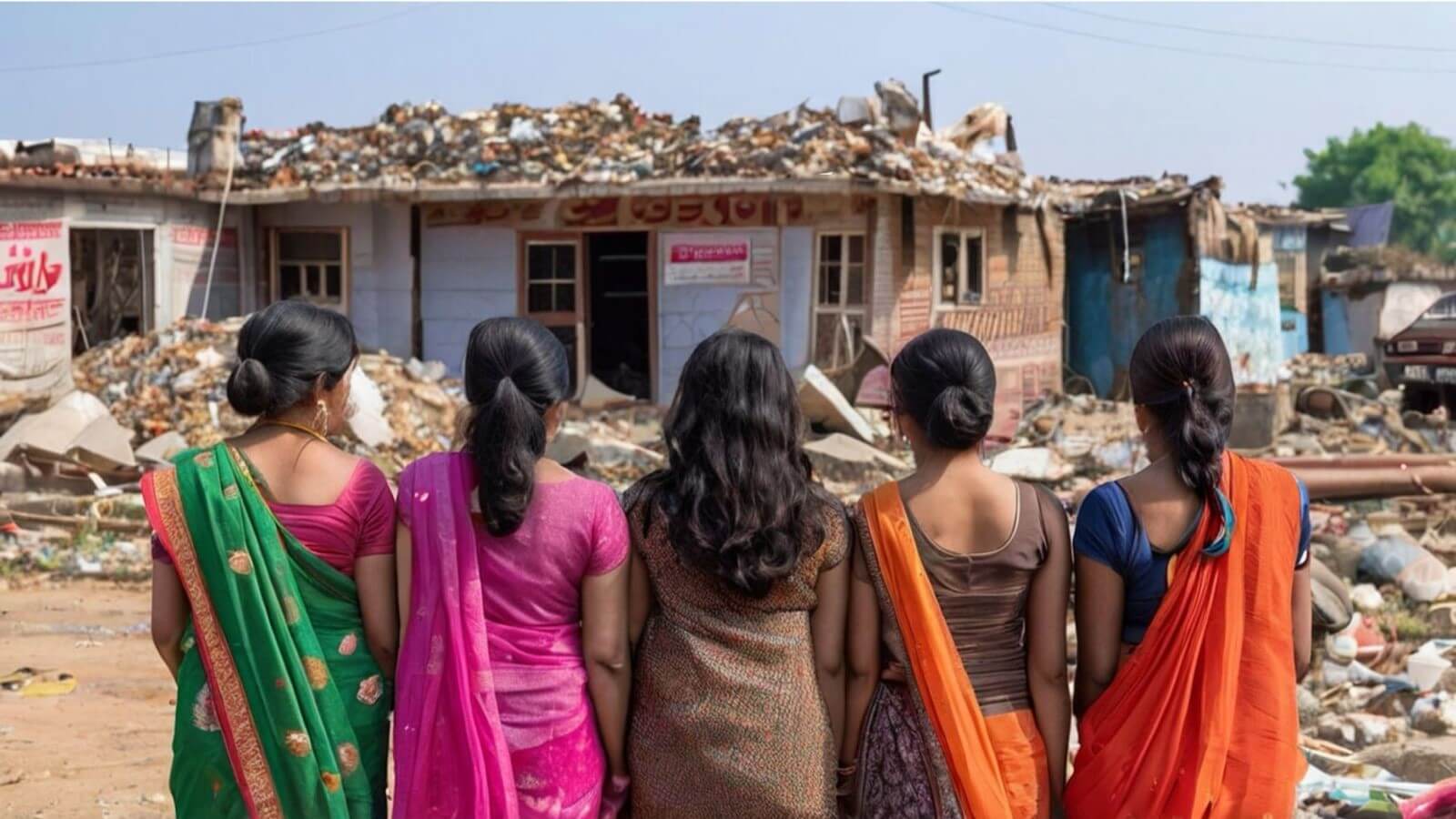
The police responded positively, providing the necessary backing to the VCPC. Led by Majulata Dalai, a determined VCPC member, the group, alongside the police, successfully demolished four illegal shops within the village. The VCPC also warned the community that legal action would be taken if these shops were re-established. Additionally, the VCPC informed the excise department, which collected and confiscated the alcohol.
This successful intervention marked a significant victory for the Dumichak VCPC. The women realized that through unity and coordinated efforts, they could bring about real change. Their actions have not only eliminated a major issue in their village but have also built recognition and respect for the VCPC. Today, community members approach the VCPC for help with various issues, and there is a newfound fear of engaging in wrongdoing.
The Dumichak VCPC, composed entirely of ordinary women and one Anganwadi worker, stands as a powerful example of how grassroots leadership can transform a community.