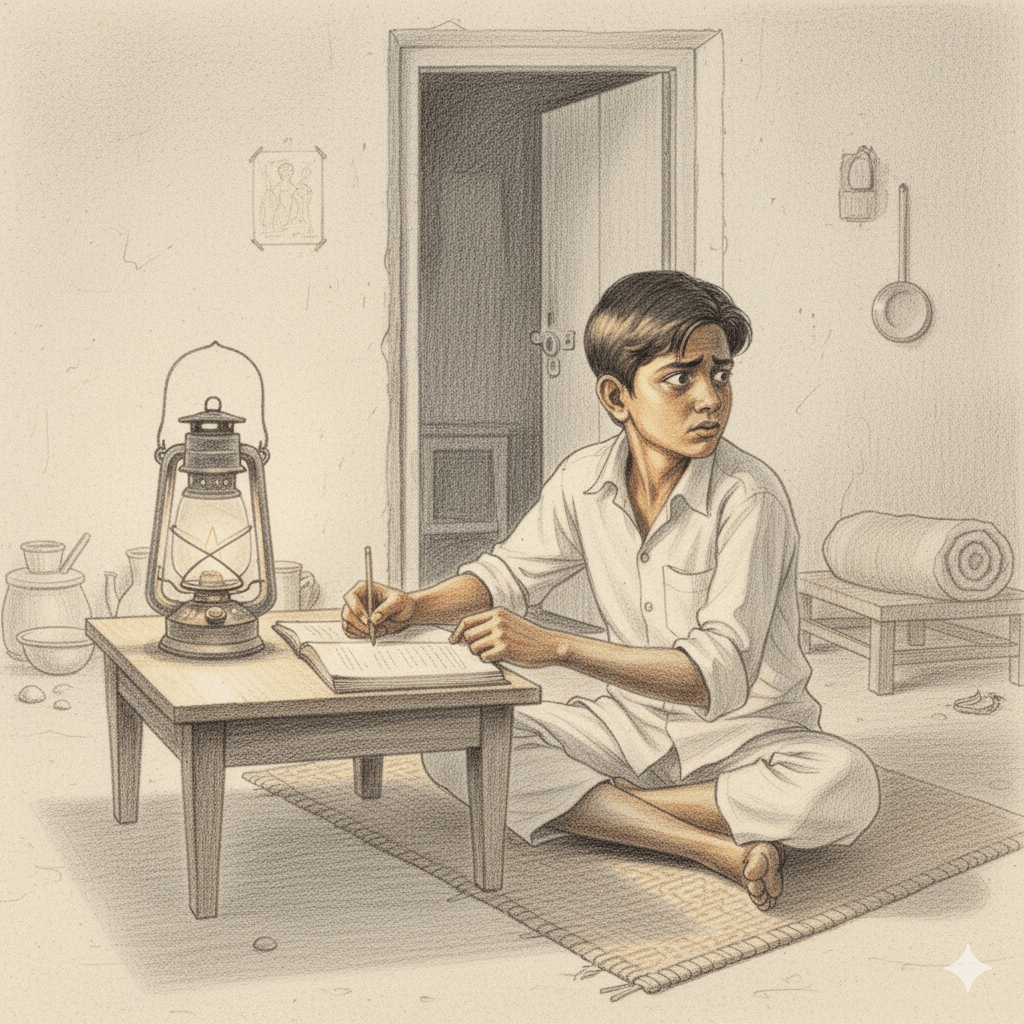
In Dubadia village, an underlying issue of domestic violence linked to alcohol use arose during a “Three Clouds” activity facilitated with children in December 2024. This activity encourages children to share what makes them feel unsafe, what makes them feel safe, and what could enhance their sense of safety. During the discussion, several children reported that some fathers returned home drunk, verbally abused family members, and even physically harmed their children.
One child expressed, “During studies, they used to say bad words… I couldn’t study well because of that… these words are then used by the children in school too… other kids tease them about their fathers’ habits.” This candid sharing revealed how violence at home not only scarred children emotionally but also disrupted their studies and affected their behaviour at school.
The issue was then brought up in a joint meeting of the Children’s Group (CG) and the Village Child Protection Committee (VCPC). Children described how difficult it was to concentrate on their studies when their fathers came home drunk, shouting, and using abusive language. One child admitted, “If this continues, I won’t be able to go to school.”
Moved by these accounts, the CPC members – including the Anganwadi Worker (AWW), ASHA, Self-Help Group (SHG) members, and community members – responded with commitment: “We will try to solve this together. We will discuss this matter with the ward member and mukhiya to take it forward.” Recognizing the sensitivity of the issue, the members agreed that direct confrontation could lead to retaliation. Instead, they decided on a collective and careful approach. It was determined that the team would include the ward member, Mukhiya, four CPC members, two to three community members, and three CG representatives. This way, the father would see that the issue was being taken seriously, and the presence of respected figures would help reduce the risk of conflict.
In the second week of February 2025, the group visited the home of one of the fathers. They explained how his drinking and abusive behaviour was harming his children and affecting others in the community. Initially, the father denied any problem. However, as the conversation continued, he admitted his faults. The team firmly warned him that if the behaviour continued, it would be reported to the police and documented as evidence.
Later, the mother shared her own pain with the AWW when she met her on the way to work, saying, “He curses at me… he comes home drunk every time… he hits us too… he doesn’t help the children with their studies and actually makes it worse… please talk to him.”
By March 2025, during follow-up visits, both the mother and a nearby CG member confirmed that the man had stopped drinking and no longer engaged in abusive behaviour. His children – a girl in 8th grade and a boy in 6th grade – were attending school without disruption. The children expressed their relief: “Papa talks nicely now… he has changed a lot.”
This positive change was reviewed again in July 2025 during Gram Sabha preparations, confirming the community’s acknowledgement of the shift.
This intervention has created a safer and more supportive home environment for the two children, directly improving their ability to study and thrive. This case illustrates how children's voices can reveal hidden problems and how a community-led, sensitive approach can address domestic violence without escalating conflict. The involvement of respected neighbours, local leaders, and committee members added credibility to the effort and ensured the father took the matter seriously.
The father's behavioural change has not only improved his children’s well-being but has also set a positive example for others in the village. However, this case underscores the importance of ongoing follow-up to prevent relapse and the necessity for systemic linkages with de-addiction services and counseling support.
Above all, this story demonstrates the power of communities to take collective responsibility for protecting children. It proves that when children, local committees, and community leaders work together, deeply rooted issues like alcohol-linked domestic violence can be effectively addressed.