Sushama Tandi had spent most of her life moving from one brick kiln to another, working long hours to provide for her family. Alongside her husband, Suresh, she molded bricks under the scorching sun, ensuring their children had something to eat. But life in the kilns was unforgiving. The work was backbreaking, the wages barely enough, and illnesses often went untreated. One day, Suresh fell sick. There was no hospital nearby, no doctor to turn to. He kept working until his body could take no more. Without proper medical attention, he passed away, leaving Sushama alone with their four children.
With no land, no savings, and no support, Sushama had no choice but to continue migrating for work. Every year, she and her children moved from one kiln to another, working endless hours to repay the advance they had taken. Priya, her eldest daughter, had multiple disabilities and needed extra care. Sriya, just eight years old, was deaf and mute. The youngest, Somya, was too small to work, and Om Prakash, at fourteen, took on the responsibility of looking after his siblings while his mother worked. None of the children could attend school regularly. Some days they ate, some days they didn’t.
For years, their struggles remained unseen, unheard. But change began when the Village Child Protection Committee (VCPC) of Bijamal conducted a vulnerability assessment in the village. The committee, which had been active for three years, had been working to identify and address issues affecting children. When they met Sushama and her children, they knew they had to act.
The first step was to help Sushama access government support. She had no ration card, no widow pension, and no disability benefits for her children. The VCPC members, along with the village ICDS worker, helped her apply online for a ration card and widow pension. They raised her case in the Palli Sabha, where community members and local leaders discussed families in need. The Sarpanch and other officials supported her application, and soon, block officials from the Department of Social Security and Empowerment of Persons with Disabilities arrived for verification. By July 2024, her widow pension was approved, and the family received a ration card, ensuring that food would no longer be a daily struggle.
The next hurdle was securing support for Priya and Sriya. The VCPC, with the help of the ICDS worker, took them to the Bhima Bhoi Samarthya Sibira camp, where medical experts assessed their disabilities. The process was long and required multiple documents—Aadhaar, bank details, photographs—all of which the VCPC helped gather. After months of follow-ups, Priya’s disability pension was approved, providing her with ₹3,500 a month. Sriya received her disability certificate, and her pension application was recommended for approval.
But the most significant change came with education. When the VCPC members sat with Sushama, they spoke to her about sending her children to school. She hesitated at first. With no one to look after Priya and Sriya, how could she manage? But the schoolteacher and VCPC members assured her that the children would receive mid-day meals, and Priya would get home-based education support. Encouraged, Sushama agreed.
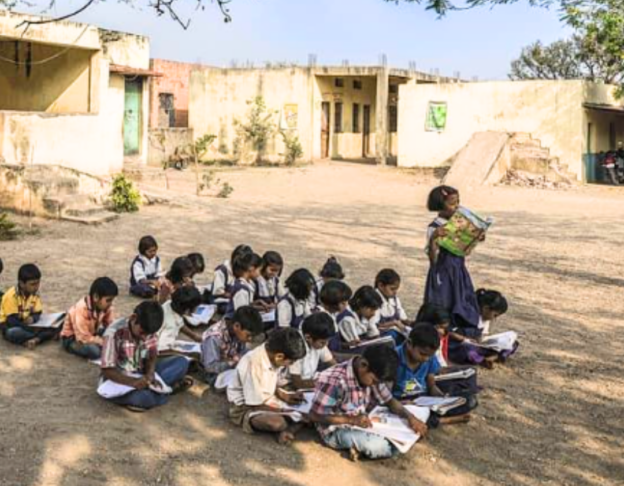
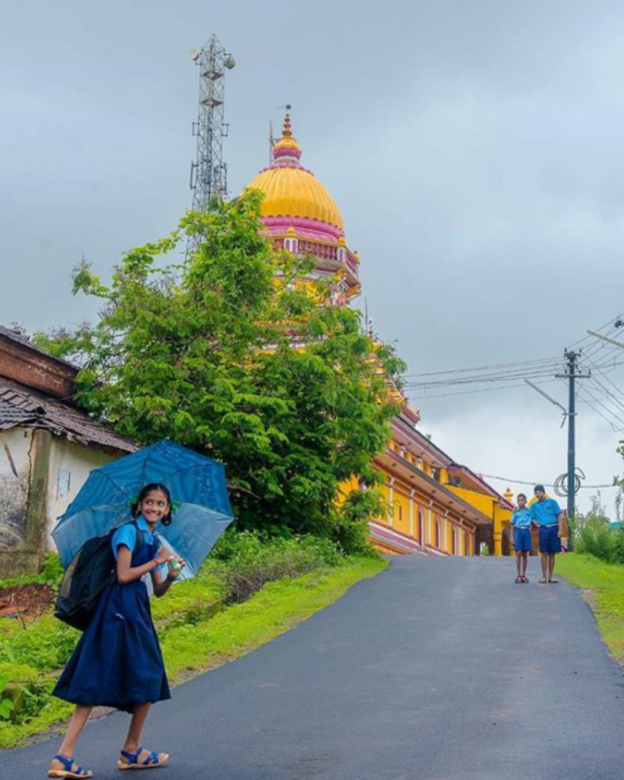
That July, Om Prakash re-enrolled in Class 9 after two years of being out of school. Priya and Sriya started attending school as well, with Om Prakash accompanying them. Somya, the youngest, was linked with the ICDS center, where she received nutritional support and early childhood education. Months later, as Sushama watched her children walk to school, she felt something she hadn’t in a long time—hope. No longer did they have to rely on uncertain wages from the kilns. No longer did she have to worry about feeding her children every day. The village, through the VCPC, the school, and the local administration, had come together to ensure that her family was no longer forgotten.
For the first time in years, Sushama could imagine a different future—one where her children had opportunities beyond the brick kilns, beyond migration, beyond survival.