Nontraditional families are no longer considered uncommon in our society. Many children are raised by their aunts and uncles, older siblings and distant relatives, and most are handed over to the care of their grandparents, while both parents set off to work each day.
The stories of children without parents often take a different narrative. It’s why Khuo and Lamveni call themselves their grandmother’s daughters, but still wonder what life would have been like with their mother around.
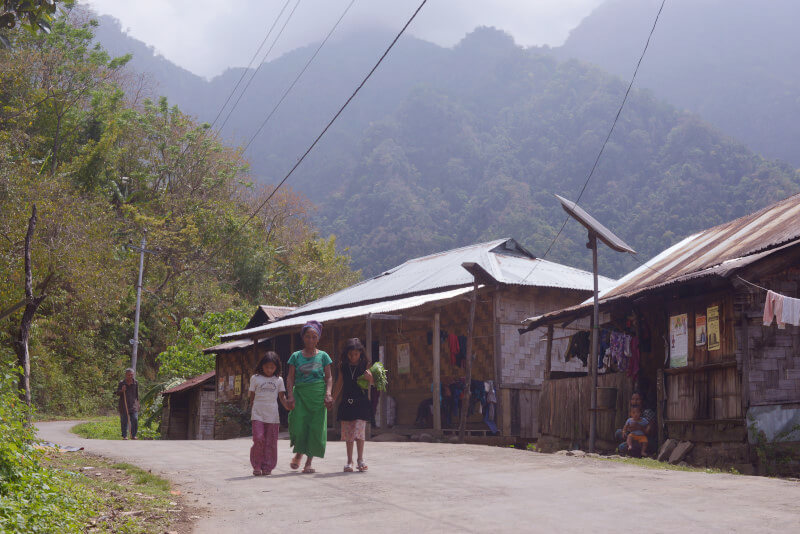
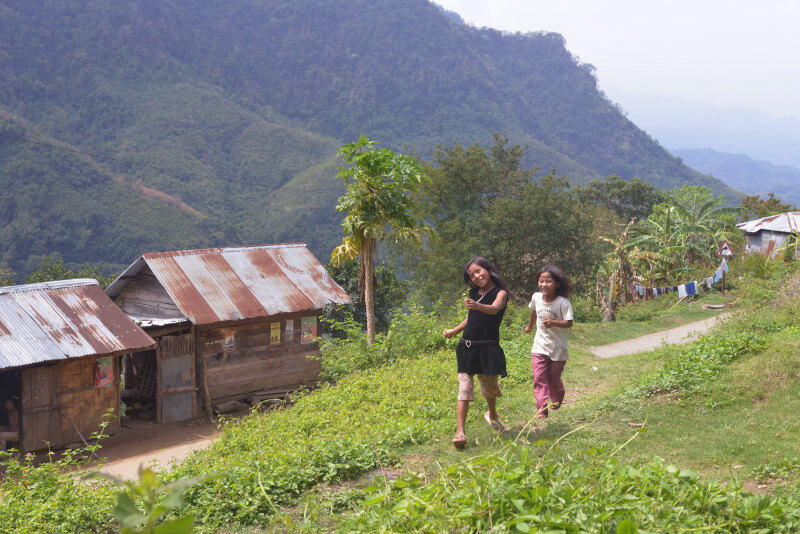
In the forest area of the Village of Chongchin, 100 kms from the District of Churachandpur in Manipur live Khuolnumhoih (Khuo) and Lamveni. 10 and 7 years old respectively, these sisters, lost their mother when they were much younger to a life-threatening illness, and their father decided to marry someone else, leaving them to the care of their grandmother. Their aged 65-year-old grandmother, Lhailam, works around the clock to raise her girls.
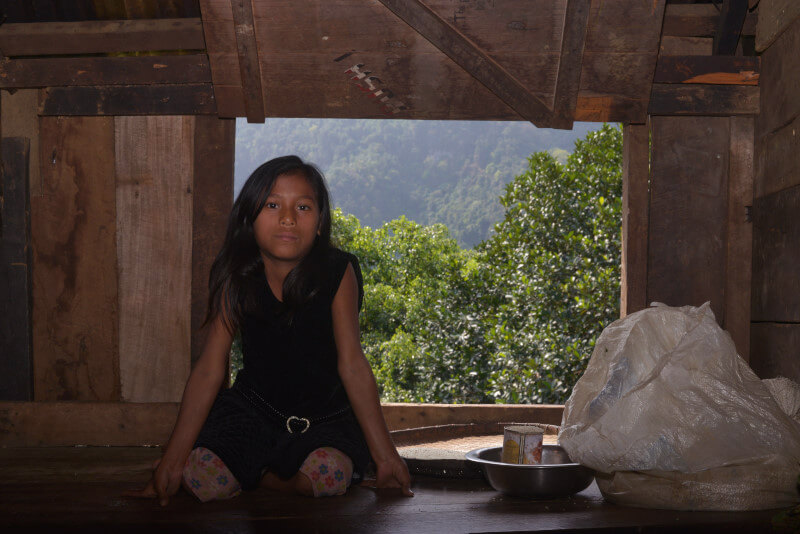
Unlike most future plans of young girls, Khuo and Lamveni are certain to care for their grandmother when she grows older. “I will study until 10th grade and then look after my grandmother. Anyway, we don’t have money for me to study beyond that,” says Khuo, who has decided she will continue to live in her village, focus her efforts on collecting wood and vegetables from the forest to earn a livelihood, but not get involved in farming, as she doesn’t like it!
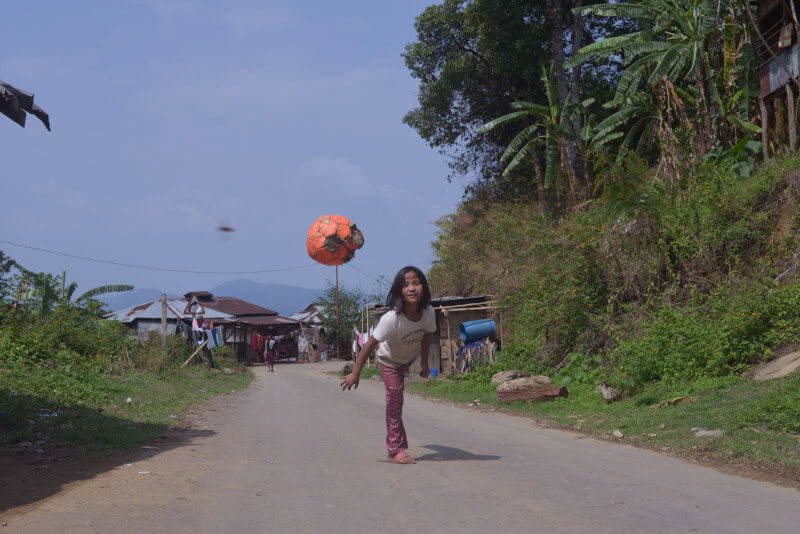
On the flip side, Lamveni doesn’t like living in her village. “People are not good here,” she said, feeling the loss of her mother and her father leaving her too. “The people of the village don’t care for us,” she adds, knowing that all parents are busy raising their own children. Lamveni wants to grow up to be a nurse, and leave her village for further studies. “I will take my grandmother with me to the city and take good care of her!”
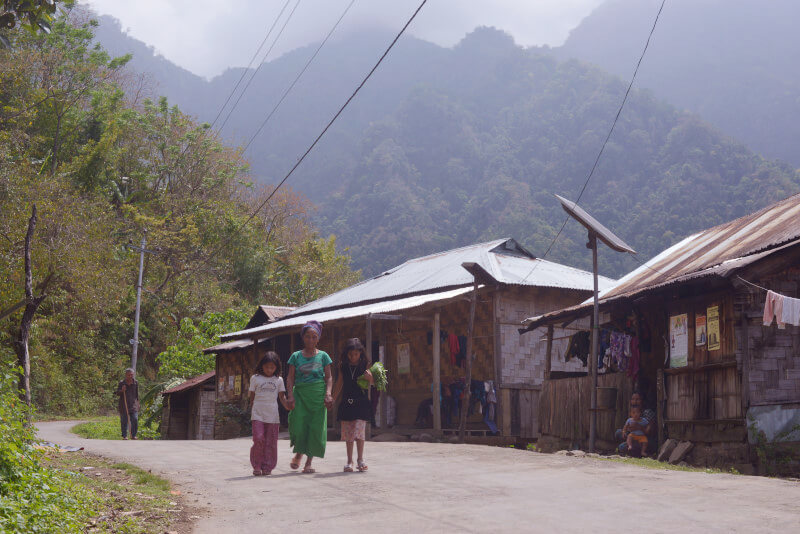
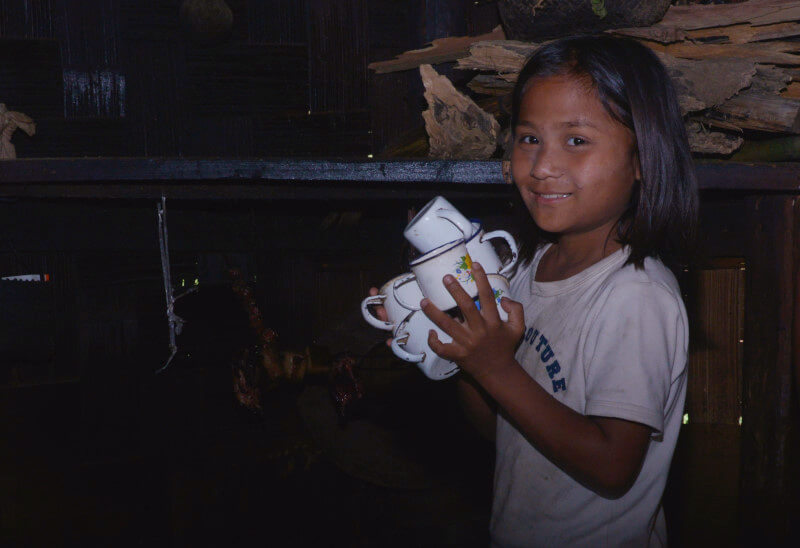
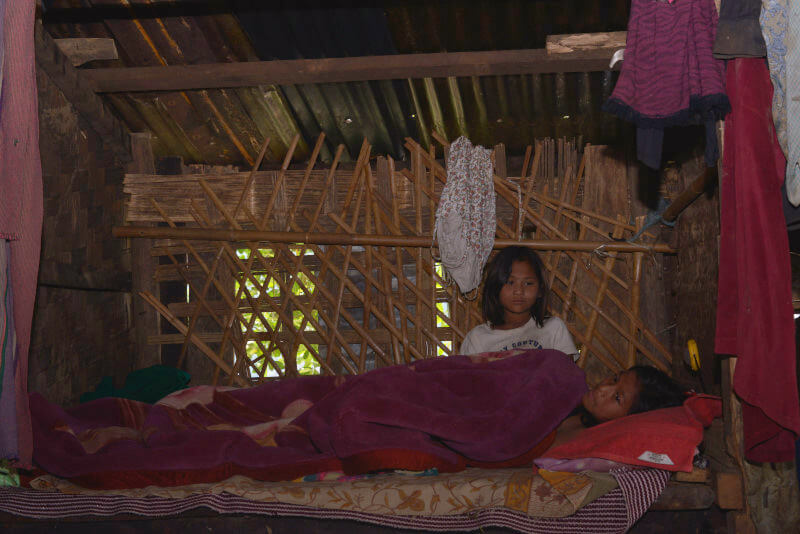
The stress of raising her granddaughters with a meagre salary of 600 rupees a month is tiring for Lhailam, who often worries about their future. “I cannot even afford to take them to the hospital when they are ill. Hospital is too far away in the city and I don’t have enough to pay for the doctor’s fees. I buy medicine from the medical store (over the counter) in the village and give them only that.” A woman of great courage and faith, she says, “till I am alive I will feed them and after me, they will learn to take care of themselves. God will help them.”
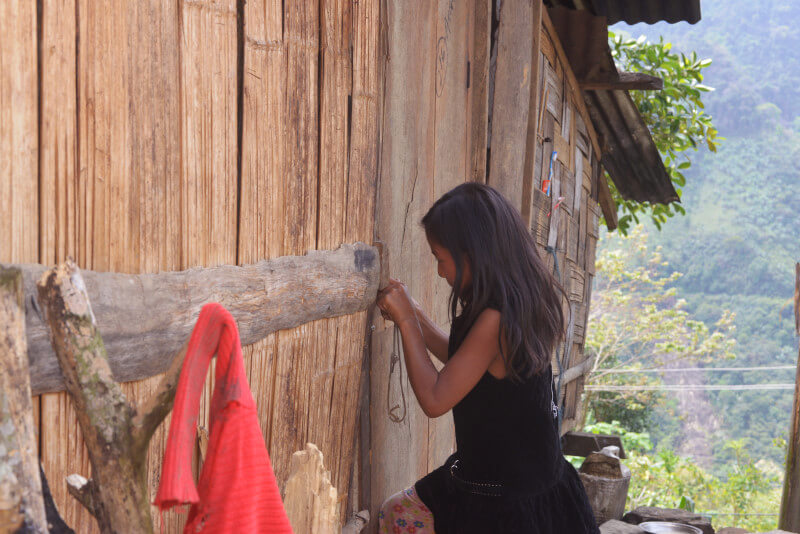
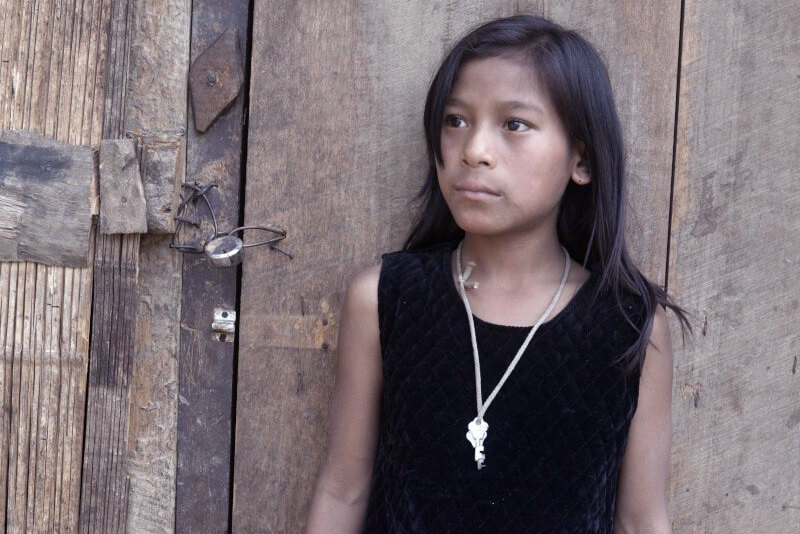
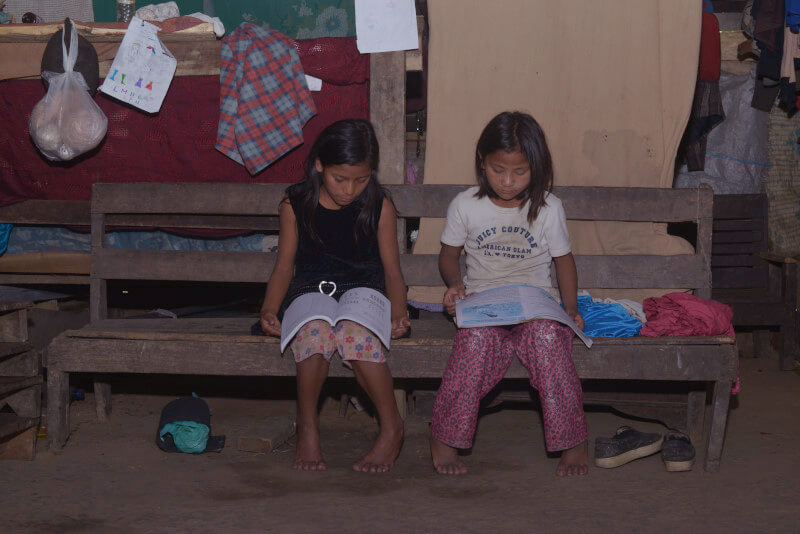
Lhailam works to provide for her granddaughters, in the best of her capacity, and both Khuo & Lamveni love her dearly. But watching other children being cared for by their mothers, they long for their own, almost feeling a sense of emptiness without her presence.