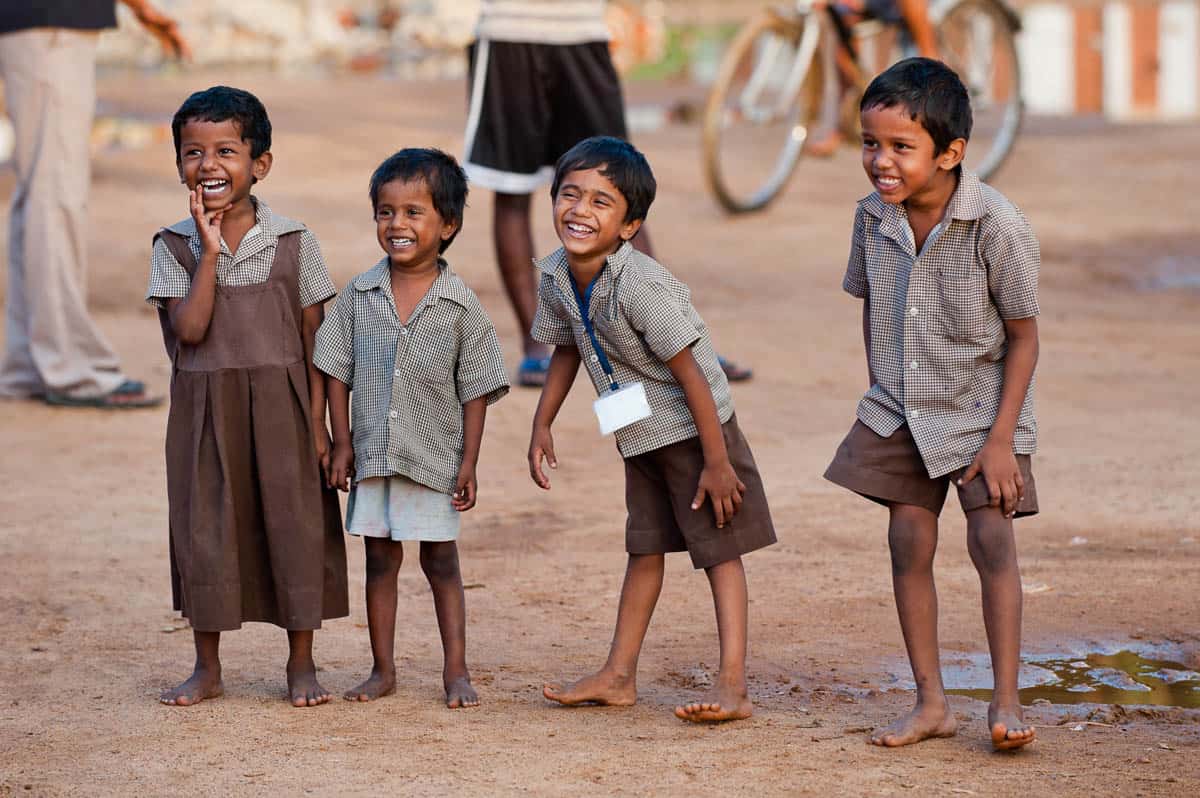
How did you, as a parent, teacher, caregiver, social worker simplify complexities of a pandemic to children? How did your children react to the year 2020 turned out to be? Fortunately, children were not at the risk of catching or transmitting the virus. Despite this, they remained the silent and hidden victims of the pandemic. As we wrap the year, we bring you 20 reasons why 2020 failed our children & robbed them of their childhoods.
Here’s hoping we can rise up, work on our collective consciousness to create an ecosystem to make child rights a shared responsibility.
1. A LOOMING HEALTH CRISIS EVEN BEFORE COVID-19

Even before the pandemic hit us, earlier thIs January, the spate of children’s death in a single hospital in Kota did not show a sign of dying down. It was argued that the harsh winter, the lack of infrastructure, shortage of medical staff in the state-run hospital forced 2-3 children to sleep together in one ICU room, spreading the infection. News Reports claimed that it was the medical apathy that became a major reason for 100 deaths of children in a single month. Why wasn’t this epidemic a wake-up call before the pandemic hit us and our children?
2. THE TRAUMA OF DELHI RIOTS

Just before the lockdown was announced, Delhi was juggling with one of the most gruesome riots in decades. In the northeast Delhi, least four schools were burnt and vandalised, the local mosques were attacked and the explosion and there was an explosion of gas cylinders inside homes. This report by news 18 talks narrates a heart-wrenching story of riots through the eyes of children. The child voices shared by children show us how the trauma left them with scared minds and uncertain futures. Just before they could unpack the trauma, COVID-19 and the lockdown added another layer of vulnerability.
3. THE LONG MARCH

May we never forget the stories of the long road home taken by migrant families and children due to the unplanned announcement of the first lockdown in March. Children left with their families on foot, cycling, some of them dangerously hitchhiking, dragged on trolleys without inadequate food and water, some of them covering 1000 odd km from one city to another. Did the government not ensure safe passages for children and their families?
4. THE IMAGE THAT WILL HAUNT US FOREVER

The migrant labour crisis saw unprecedented deaths of children and their families as they were barely able to survive the harsh realities of the lockdown. This video shows the toddler playing with the cloth covering his mother’s body who died of extreme heat, hunger and dehydration. The mother had arrived in Bihar from Gujarat in special train organised for migrant workers. According to NDTV, “At the same station, a two-year-old child also died, reportedly from the heat on top of inadequate food. The child’s family had boarded a different train from Delhi.”
5. AGENCY OR AGE? WHAT WILL PREVENT CHILD MARRIAGE?

Even while some might argue the government’s move to increase the age of marriage for girls from 18 to 21 is well intended, it has failed to address the root cause on the prevalence of child marriage in India. An article in The Mint points out, “Raising the cost of disposing of unwanted daughters through marriage, and punishing families for violating the rule, could push families with a strong male preference towards sex selection and female foeticide, or trafficking and other worse ways of disposing of unwanted daughters.”
6. DOUBLE THE TROUBLE, DOUBLE THE VULNERABILITIES

A natural calamity amidst a pandemic is no more than Double Trouble. The cyclone Amphan made children prone to displacement and loss of households and livelihoods. The lack of farming and fishing amidst the lockdown meant lesser income opportunities for children in an increased rate of hunger. For the children in Sundarbans, beyond the ecological loss, the displacement, grappling poverty meant an increase in the drop out rates of children, forcing early marriage and students seeking work.
7. THE INVISIBLE CHILD LABOURERS OF THE LOCKDOWN

Even before the pandemic, according to UNICEF, there were 33 million child labourers aged between 0-18 in India the ILO says that more than 42.7 million children in India are out of school. Can you imagine the vulnerabilities Covid-19 must have added to the lives of our little ones? This article in PARI shows us how the lockdown forced children to leave school and work as child labourers. “With parents being out of work or working at reduced wages, school students from distressed families in Marathwada’s Latur were having to sell vegetables on the streets despite the risky Covid-19 lockdown scenario.”
8. THE OFFLINE IMPACT OF ONLINE EDUCATION.
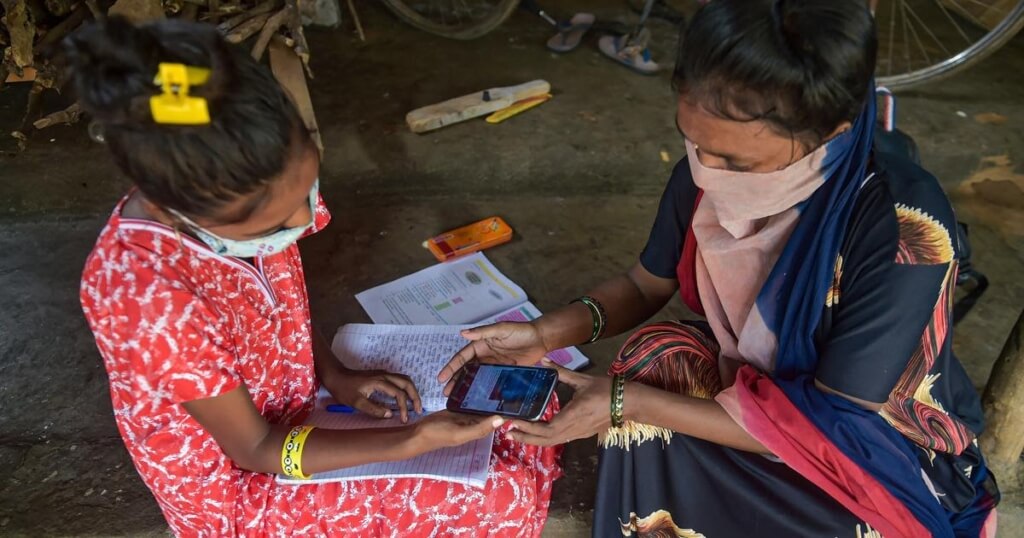
Two-thirds of the world’s school-age children – or 1.3 billion children aged 3 to 17 years old – do not have internet connection in their homes, according to a new joint report from UNICEF and the International Telecommunication Union (ITU). This article gives a detailed account of the mounting inequalities of online learning. “While some states have reopened high schools, the majority of India’s 320 million students remain at home as part of the effort to fight the coronavirus pandemic.
9. DISRUPTED EDUCATION AND THE IMPACT ON YOUNG CHILDREN
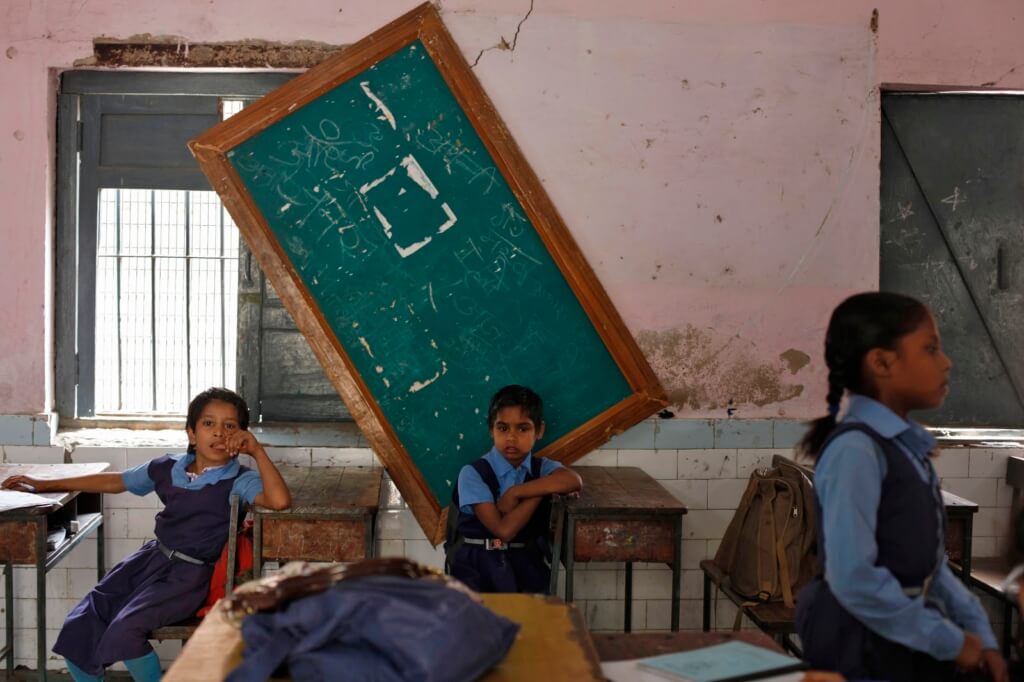
It is a given that schooling is an integral part of growing up and school closures disrupted education for the children who could afford online education. The looming educational crisis came with its own set of uncertainties. Eighteen-year-old Simran Jhaveri shared her myriad emotions on online education in a Leher blog. “Right now the world is suffering through loss and despair. While I’m sad that I lost the last few months of my senior year, and that I lost my graduation and even my first semester of university, I’m still going with the whole ‘there’s always a silver lining.’
10. THE LACK OF INCLUSIVE EDUCATION FOR CHILDREN WITH DISABILITIES
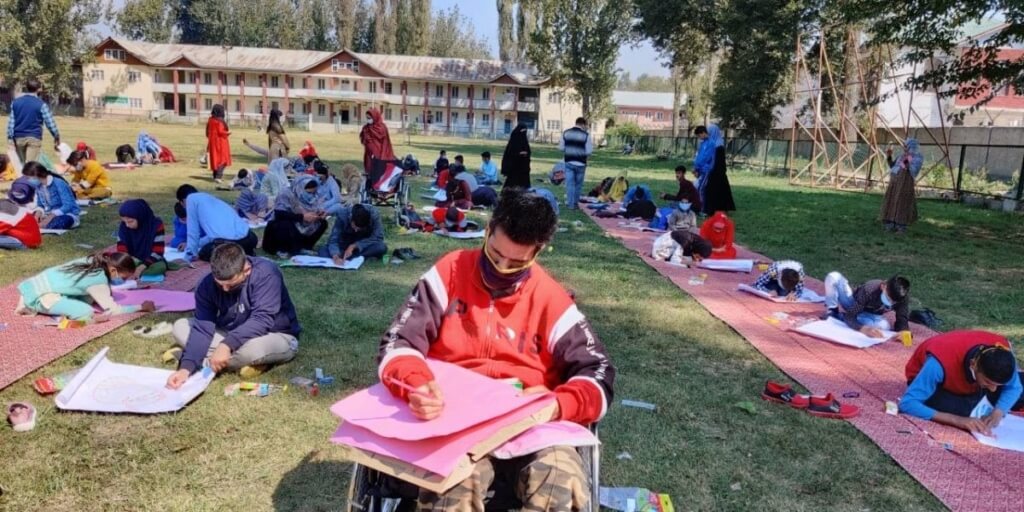
Children with disabilities were marginalised and stigmatised even before the pandemic hit us. While online education became imperative, the lack of inclusive education for children with disabilities put a pause to their learning. This news article in The Wire talks about the tumultuous education in Kashmir for children with hearing impairments. “Online classes do not work for children with hearing impairments, and so the pandemic has brought their studies to a halt.”
11. HOME GROUND, NOT PLAYGROUND
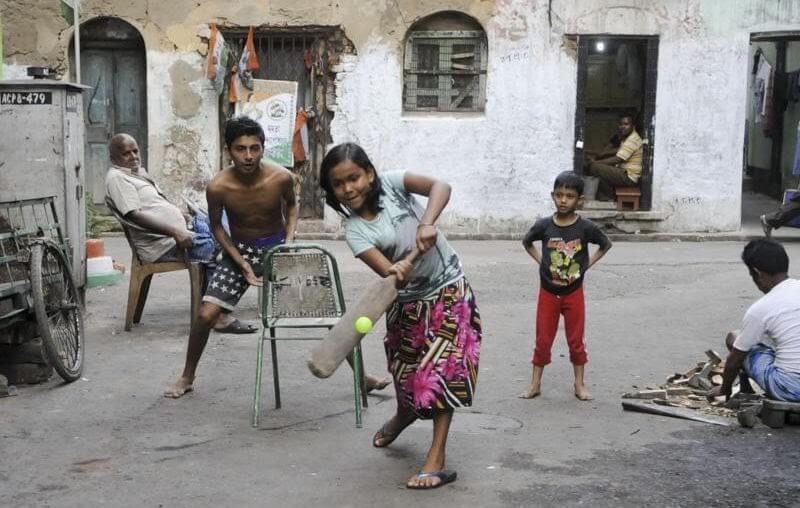
With schools shut, playgrounds inaccessible and venturing out ruled out, children faced a tough time during the lockdown who were confined to their homes. In emergency situations like these, a child’s play is often neglected. While civil society focused on the much-needed relief work, at Leher, we focused on a child’s Right to Play, collaborated with two artists to create Apalam Chapalam, a platform that ensured performative stories reached children. A network of 65+ organisations working with children ensured the stories reached children in childcare institutions and low-income communities.
12. BOIS LOCKER ROOM AND INTERGENERATIONAL ROT: MISOGYNY
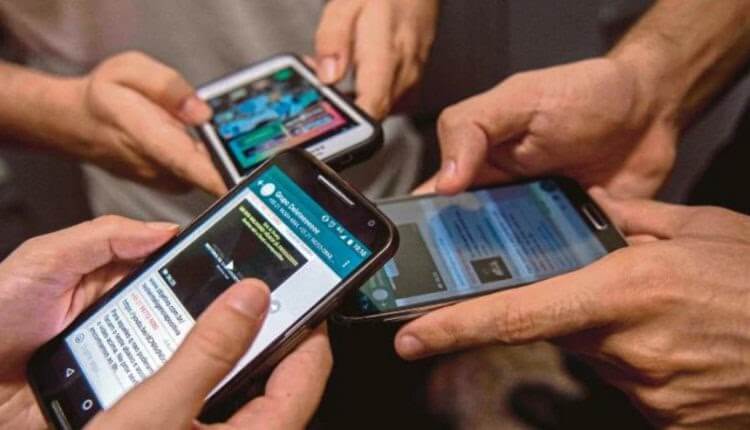
“We need to recognise that the children in the Bois locker room or the WhatsApp group are only symptoms of an intergenerational rot: misogyny. Children are sponges – they absorb and mimic everything adults do. And what we see in the evolving story is just that,” says Nicole Rangel, our co-founder, who co-wrote this article for the Wire. This incident took a sad and ugly turn when the Gurgun teen died of suicide and brought back the emphasis on restorative justice to prevent yet another locker room banter and the calling out culture that creates nothing but hate.
13. DEATH BY INEQUALITIES, NOT BY COVID-19

A 16-year-old in Goa’s Sattari Taluka died of suicide by hanging himself in his house. The boy broke his phone and knew that the families reduced earnings and an uncertain future would make it difficult for him to buy a new phone for online learning. Earlier this June, another 17-year-old student in Punjab died of suicide because his family could not afford a smartphone for online classes. This only shows the inequalities in the education system that caused so much distress that children died of suicide.
14. The Mental Health Crisis
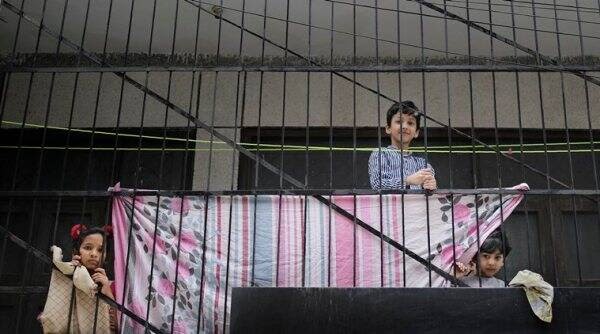
“Being a teenager is difficult no matter what, and COVID-19 is making it even harder. With school closures and cancelled events, many teens are missing out on some of the biggest moments of their young lives — as well as everyday moments like chatting with friends and participating in class,” says this article by UNICEF suggesting six strategies teenagers can follow to take care of their mental health.
15. FLOODS AND A CLIMATE CRISIS AMIDST A PANDEMIC.
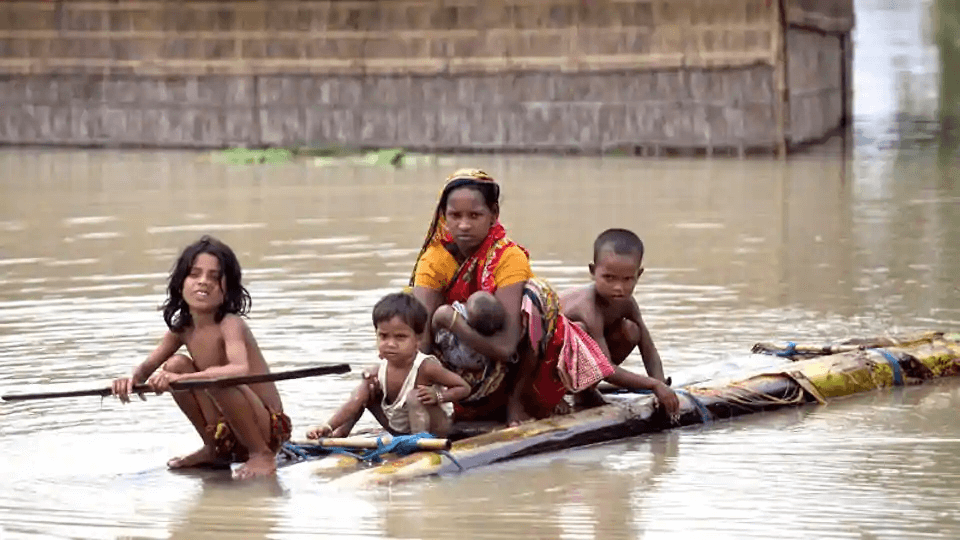
An estimated 2.4 million children have been affected by the recent floods in India according to UNICEF.” In India, over 6 million people across Bihar, Assam, Odisha, Gujarat, Maharashtra, Madhya Pradesh, Kerala, Uttarakhand, Uttar Pradesh and West Bengal have been impacted by floods including the 2.4 million children. The climate crisis is a bigger crisis looming over us amidst the pandemic and is much a child rights issue than an environmental concern.
16. RAPE AND DEATHS OF DALIT CHILDREN
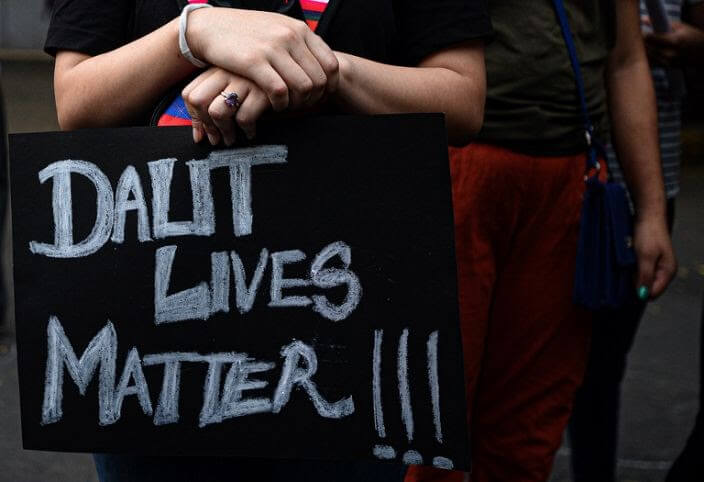
Dalit children have been one of the most marginalised communities even before the Covid-19 pandemic hit us. In Uttar Pradesh’s Lakhimpur Kheri district, a 13-year-old was raped and killed and her body was found in a sugarcane field. When will this violence end?
17. MISSING OUT ON MID DAY MEALS
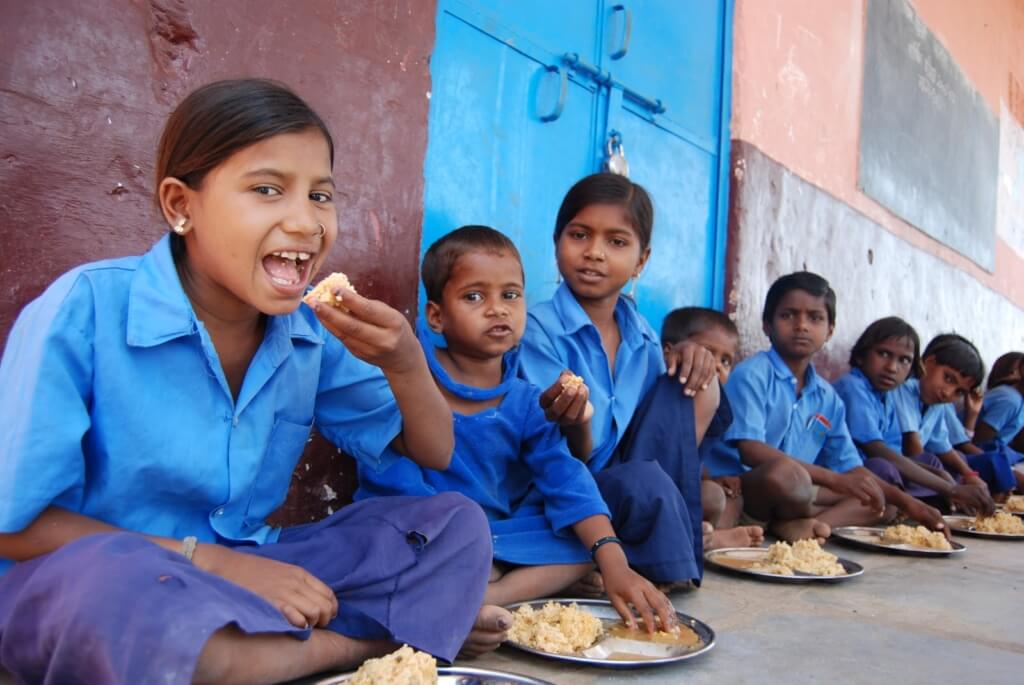
School closures meant that children missed midday meals, which in turn decreased their nutritional intake. “With every passing week of missed meals, a generation of children is at risk of decreasing their potential contributions in the future. “Over 120 million children in India are served by the midday meal scheme, just over half of whom get it in Anganwadi centres. The others get it in school. These meals are crucial both for child nutrition and cognitive development,” says this article in Scroll.
18. The NEW IN THE NATIONAL EDUCATION POLICY
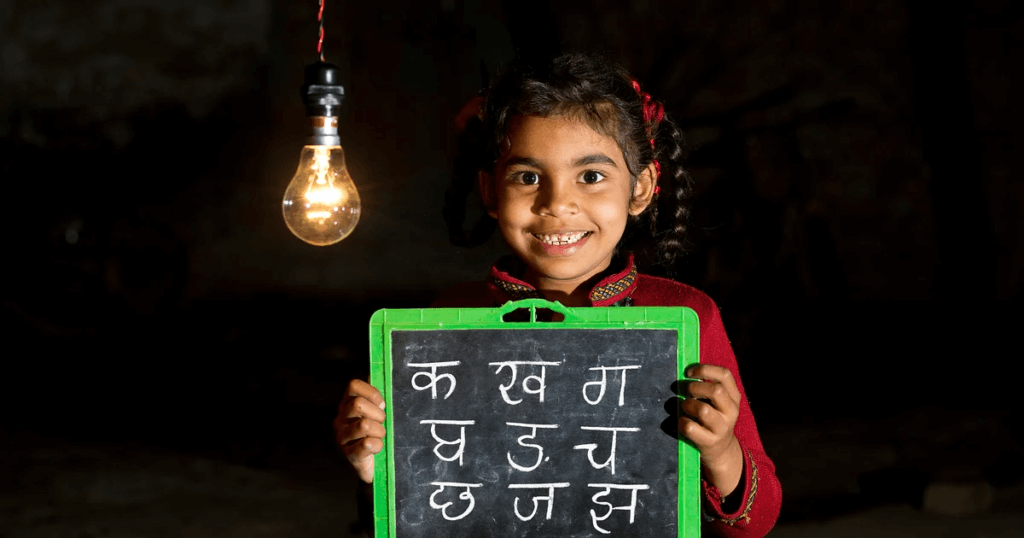
The National Education Policy 2020 (NEP 2020), outlines the vision of India’s new education system and aims to transform India’s education system by 2021. While academicians and politicians share six big questions such as what will the switch of 10+2 to 5+3+3+4 in Schooling Mean? While there have been several debates on NEP, the education system does need an overhaul. However, has the NEP attempted to craft an education system that would educate wider society to show dignity to fellow human beings? asks Pradeep Narayanan on this Leher blog.
19. A LOCKDOWN WITHIN A LOCKDOWN
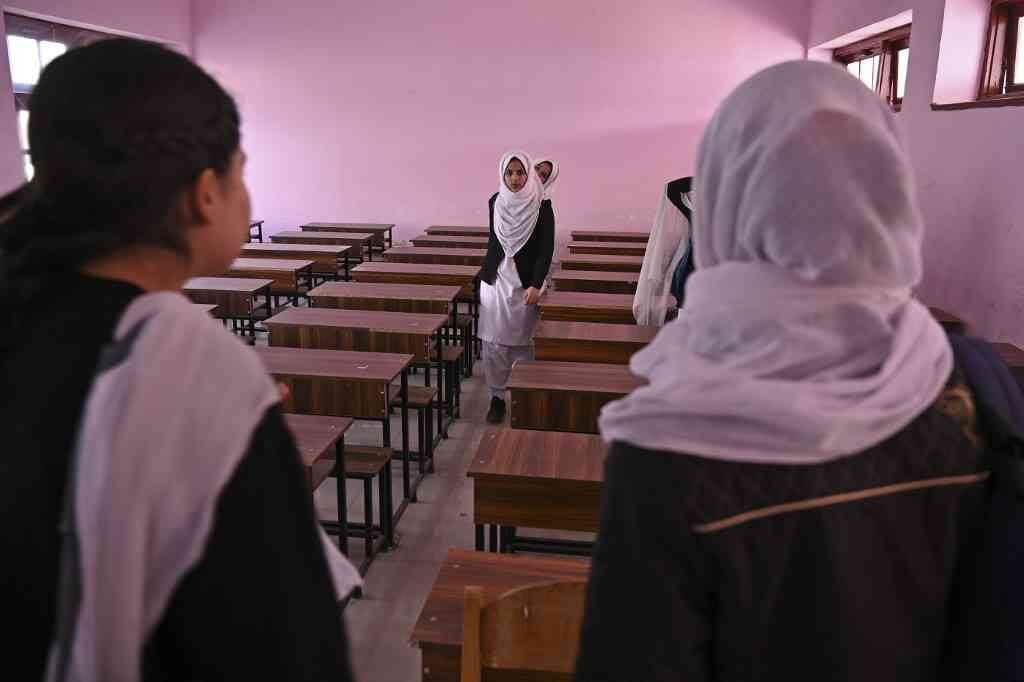
Kashmir has been facing a lockdown much before the nationwide lockdown was announced and children have barely gone to school in the entire year. There was a post -article 370 lockdown and post that the internet was curbed and slow, making online education difficult.
20. THE INVISIBLE CHILDREN AT FARMER PROTEST SITE AT SINGHU
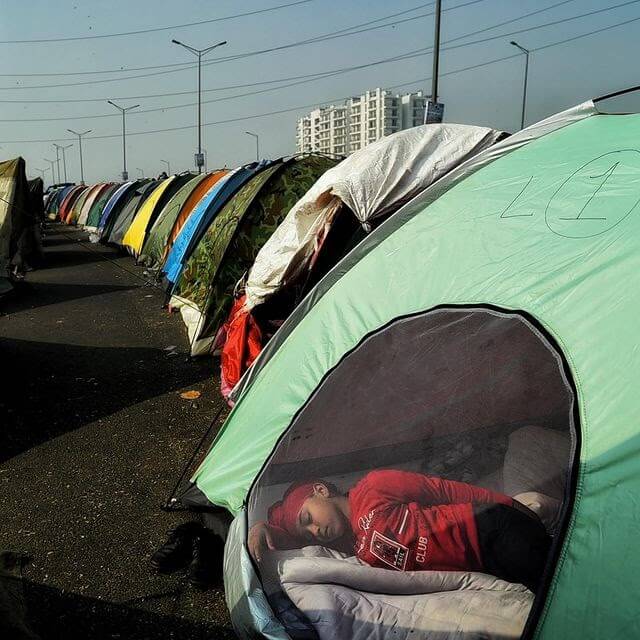
Protesters at the farmers’ protest at the Singhu started study circles for children at the protest site. “If you ask them they say, ‘We don’t have Aadhaar cards so we can’t get admission in schools.’ You ask them what their dreams are and they say, “If we can’t study what dreams will we have? We will only find work in kitchens and factories.” Watch this video by Caravan, to know more about the initiative.