
“…epidemics are not random events that afflict societies capriciously and without warning. On the contrary, every society produces its own vulnerabilities.” -Frank Snowden, Epidemics and Society: From Black Death to the Present, (revised edition 2019)
What India is witnessing today in the wake of COVID-19 will continue to disrupt life, aggravate vulnerabilities, and erode the dignity of those already living on the margins. COVID-19 and how it has panned out has resulted in gross violations of fundamental rights, exacerbated existing vulnerabilities, and unleashed a pandemic of hunger and poverty where there was none.
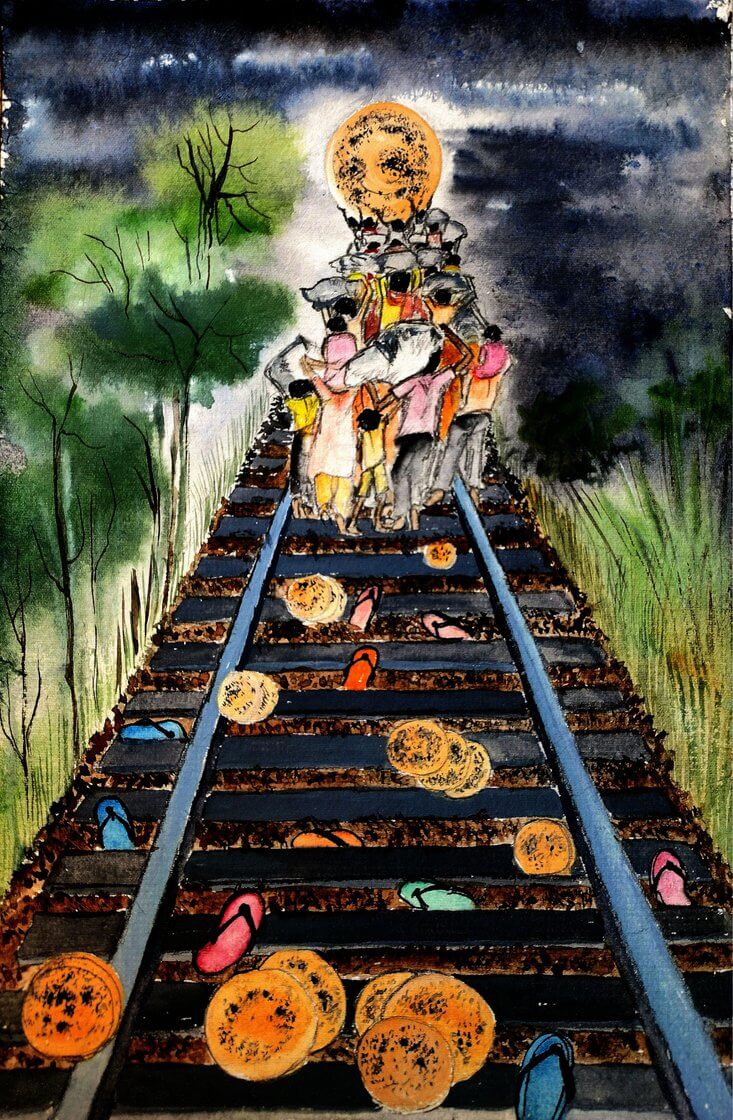
Indelible images of the toddler trying to wake his dead mother on a railway platform and the 12-year-old girl who worked on a chilly farm in Telangana, and died an hour before reaching home after having walked hundreds of kilometres to her home in Chhattisgarh, are heart-wrenching examples of the immeasurable losses of life, livelihoods, and breakdown of families that each day brings.
Childhoods stand threatened by the unprecedented social and economic disruption. Among those severely impacted are children of migrant workers, children of daily wage earners, child labourers, children in street situations, child care institutions (CCIs), or conflict zones, children in need of care and protection, children in conflict with the law, pregnant girls, children with disabilities, transgender children, children living with HIV/AIDS, children living in poverty, children in abusive, violent or exploitative situations, children of sex workers and prisoners, refugee children, foreign children residing in CCIs, children affected or likely to be affected by other natural disasters, such as Amphan, floods in Assam, etc.
The lockdown period will also forever be marked by the millions of people who in a bid to survive, undertook mass distress migration back to their native villages.
While derogations from human rights are permissible during lawfully declared emergencies, the right to life with dignity is an inalienable right under the Constitution of India and the International Convention on Civil and Political Rights, 1966 that India has ratified. Obligations to ensure children’s rights under the UNCRC also remain.
It is critical that all children, across age groups, irrespective of caste, religion, tribe, sex, gender identity, disability, place of birth, language, or other status are reached. Urgent attention is therefore required to prevent the situation from worsening for children, who constitute 37% of our population. Societies and families’ inherent desire to care for and protect children must be harnessed to prioritize them in our national budgets, policies, and action to deal with COVID-19.
This policy brief containing general as well as sector-specific recommendations for Government action is the product of collaborative efforts of several organisations, academicians, practitioners and experts working in the area of child rights. Members of the following networks and alliances contributed to this policy brief: Alliance for Right to ECD, COVID Response Alliance of India on Child Protection (CRAICP), India Alternative Care Network (IACN), ProChild Coalition, Right to Education Forum, Right to Food Campaign, Working Group on Human Rights to India and the UN (WGHR). They worked in thematic sub-groups to develop sector-specific recommendations which were integrated in the form of this brief to represent the core minimum demands from the State to ensure children’s rights during COVID-19. The list of 212 individuals and organisations that have endorsed the Policy Brief is included on page 19 of the document.
To read the policy document, click here.